
03/11/2023
Fellow Reader,
It’s been a fortnight since I last wrote to you, it seems like a good time to check back in with you and fill you in on what I’ve been up to. I ask myself the same question, what have I done? In my mind, it feels like nothing has happened and yet, so much thinking, talking, meeting, seeking, and making has taken place. My mind could never simply sleep, it’s not in my blood.
To define this fortnight, I will fill you in on the first preliminary meeting with the Birmingham Museums Trust Collections team in which we discussed my interests in Celtic, Medieval, Folkloric, and Folk artifacts within the collection. I’m particularly excited to see the Numismatic, Pinto, Celtic, and Weoley Castle Collections. I think sites are an intrinsic part of my practice that I have acknowledged at points, but I have not dwelled on it so when I realised that they had a Weoley Castle collection, cogs began to turn in my mind as I have recently moved nearby and realised the history of where I live is also an interest, not just for my name’s sake or the place I feel is threatened. My own alignment with this new place and the opportunity to learn more about the history I drive by on the bus is something to consider, I don’t know the resolution, the relevance, or the end goal of this interest, but I found the objects within that collection particularly interesting in relation to my practice as a medieval site with depiction of anthropomorphic and hybrid beings.
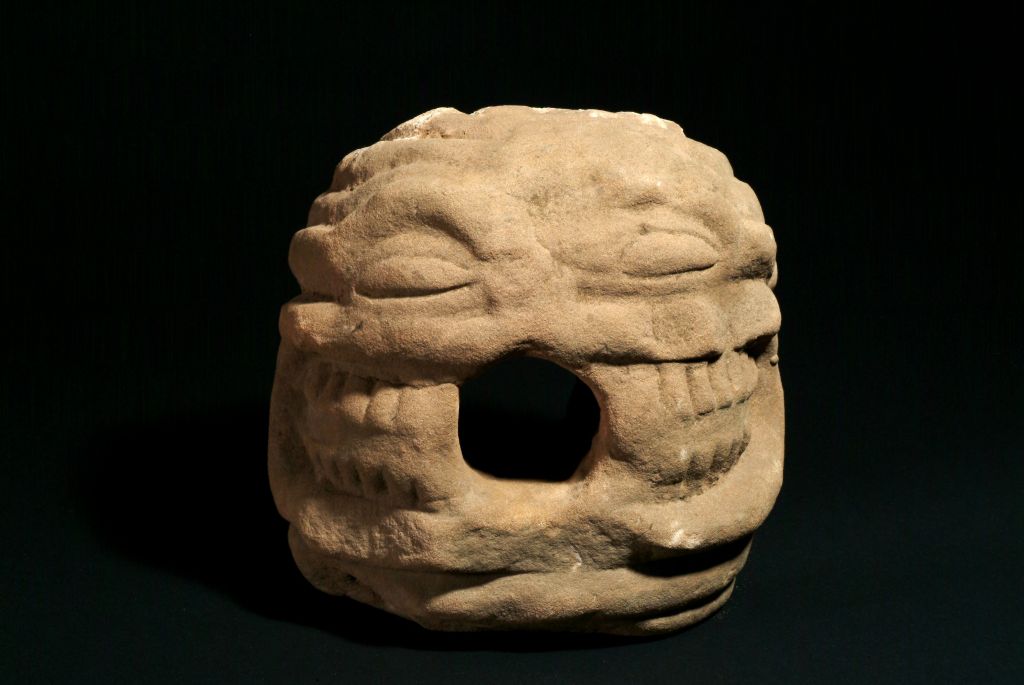
Our plan of action is to gain a general overview of the collection to begin with as to use the words relayed to me, the collection is overwhelmingly large. To know what is there first, as not all of it is publicly available, would be beneficial in the long run for developing work shaped by research into the collection. I’m very excited about what I will find and can learn more about, especially in regard to talking to experts on particular topics and objects.
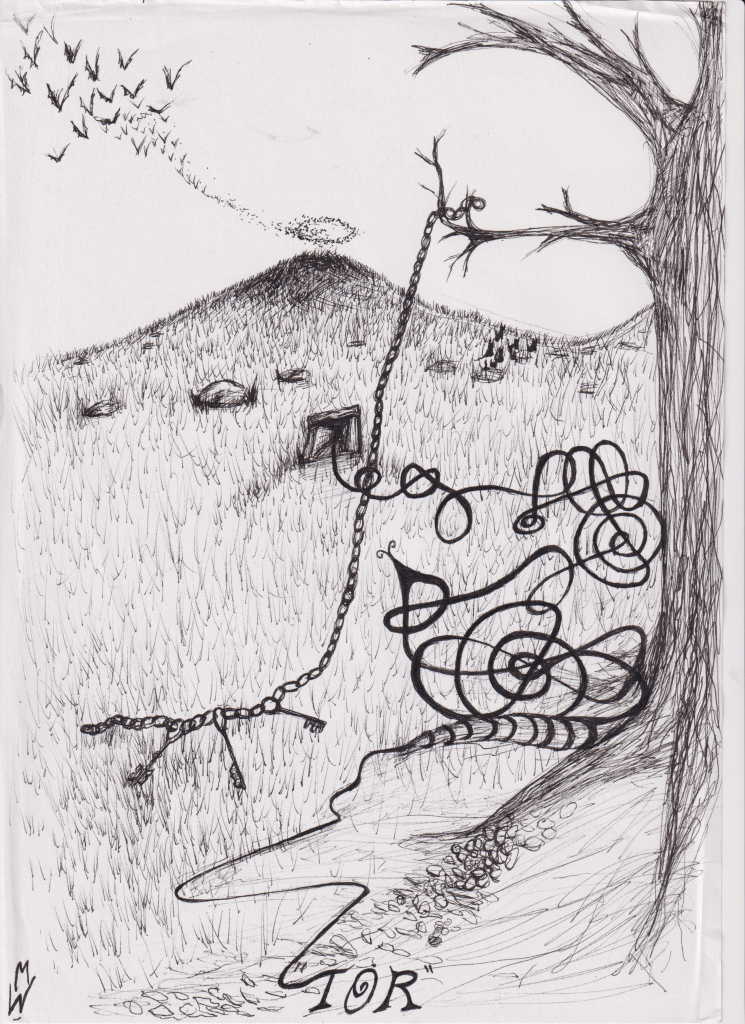
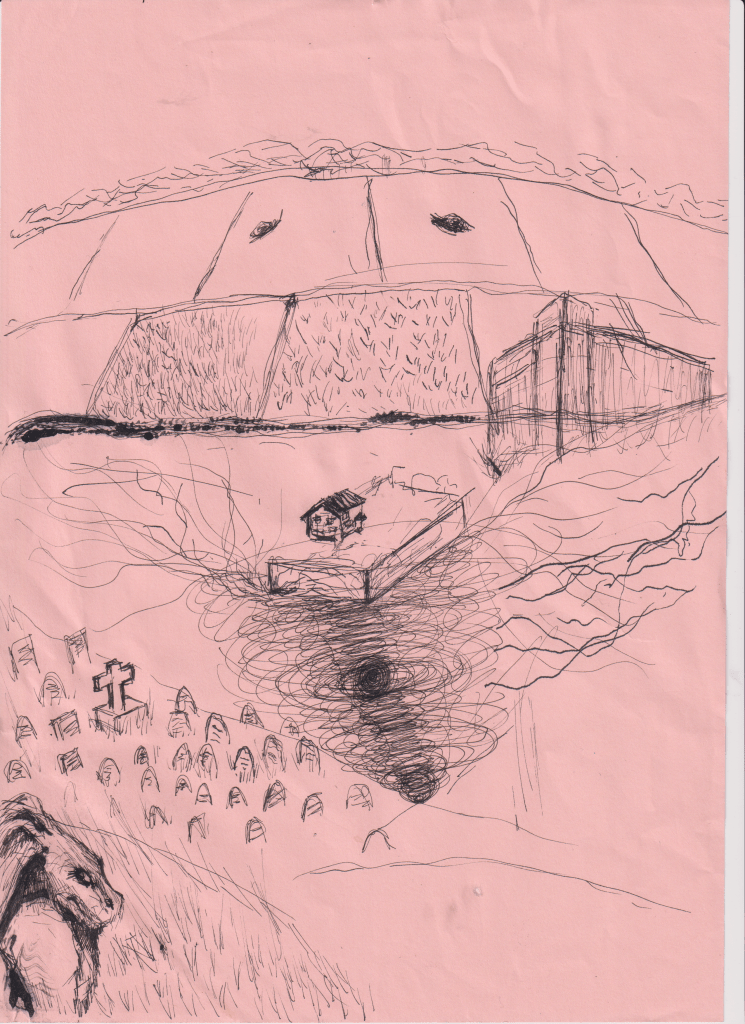
I have been slowly getting back into research, with the help of Athena research group. In its current form, it is an informal group of artists from Amass Artist Collective which have been meeting semi-regularly to just talk about where we are at in our practices/research and share material we are interested in or think others will be interested in. It’s been very helpful in regards to developing my drawing practice as the members have shared with me books on folklore, Japanese manga, and historical Japanese drawings. Not only is the artistic community comforting, but it is also vital to deconstruct the barriers academia forms around us as art students. I won’t lie and say I have never viewed my fellow artists as a threat and/or competition but there is literally nothing but sadness and isolation to be gained from that. Our priority for Athena is at the end of the day to deconstruct the inaccessibility and pretentiousness of research, to healthily share and celebrate knowledge. In our very early, foetal stage, I think it’s already achieving that.

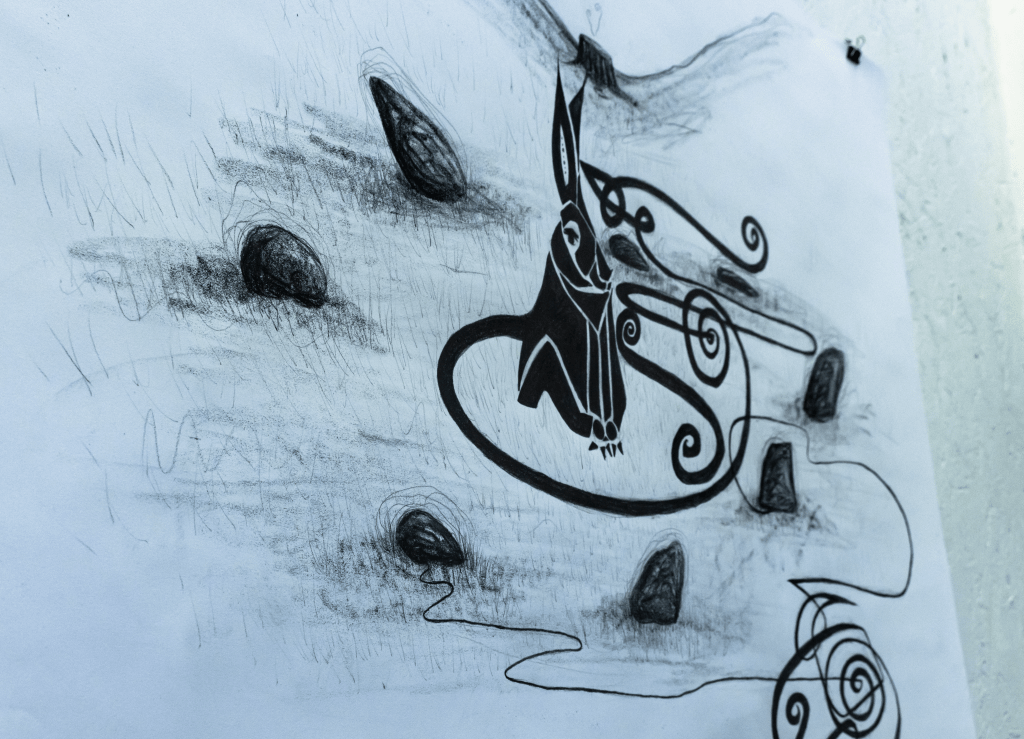
I started a drawing at an Athena meet-up that just came about automatically during the conversation, combining elements of what I’m thinking about in my practice in terms of site and the sacredness of site, with objects I had seen in a folk objects book someone brought to the meeting. It was the three keys on a chain, which if I can remember correctly, is worn to symbolise health, good luck, and fortune, in relation to key magic (Hannant & Costin, 2016.) I’m not sure how I really feel about Wicca and witchcraft and how it affects the understanding of Paganism and Celtic culture. It’s all jumbled like folk. It’s ever-changing and evolving. I often wonder if Wicca is even valid as it is a neo-pagan religion, but that’s an overstuffed can of worms.

Don’t fret, I’ve been doing my own research outside of the research group. I’ve mostly been looking through the online Birmingham Museums Trust archive, which does not have the entire 800,000 objects in the collection, but it has a decent amount to get a taste of what is in-store at the Collection center. I’ve been particularly interested in the Celtic and Medieval objects, which I’ve started to use as inspiration for automatic drawings that combine the illustrative style of Celtic coins with symbolic animals, landscapes, and Celtic knots into these mystical site drawings of Tors and the Sycamore Gap. I don’t particularly know what I’m saying yet, but I feel like the narrative draws together on its own. What does the animal mean? Does it stalk you? Is it waiting? Is it a warning? I dreamed of a Hare before the Sycamore gap attack happened and it felt like a sign or a warning. As if I could have done something from where I am! The Celtic significance of the Hare is prosperity and good fortune, as they were believed to have connections to the Otherworld. Perhaps my connection to Gwyn Ap Nudd did not leave at the Glastonbury Tor, the Fae power is not resting in contemporary times.


Traveling is another aspect of research and thinking that I’ve been doing a lot lately between Birmingham and Belper as I stared out the window for 2 hours a day. I’ve only drawn on the train once, so most of the time I’m just wondering about industrialism, Paganism, and the lack of forests around me. I’m currently reading All The President’s Men when I’m on the bus, which I will admit, has absolutely nothing to do with my practice, but I’ve always found intense investigative journalism to be interesting. It’s also great to read about well-intentioned people seeking justice and doing great at what they do best. I’ve only ever known Carl Bernstein as Nora Ephron’s ex-husband (Writer of my favourite film, When Harry Met Sally), which I know will be hilarious to some, but I get it now. These are great writers and researchers, so great in fact that are thrown at the reader in every single sentence all the facts fly out of my head. It’s dense. I must say that I still enjoy When Harry Met Sally more than All The President’s Men, guilty as charged.
Halloween was this week, and I can’t help but wonder from my experience… Is All Hallows Eve a dying holiday? Most of the seasonal holidays have been reduced to niche local events already. Halloween is the lingering favourite, but I don’t think even capitalism’s endorsement is enough to save it. Not all the sweets and last-minute supermarket plastic costumes. One Halloween missed has stolen our souls to the Otherworld, and we become an echo of our old selves. You were yourself when the clock arrived at the stroke of midnight and that’s the last time you ever thought of seasonal joy; they all roll into one. I’ll admit I did nothing either but I didn’t go down trying. I suppose there is nothing wrong with staying at home in a witch outfit and watching The Curse of The Were-Rabbit over dinner and a glass of hot chocolate, but I wouldn’t say it’s ideal.
My heart longs for the burning of a ginormous, cinematic wicker effigy.
All my love,
Mads
Resources:
The Glascote Torc, Gold alloy Torc found in Staffordshire, England, Available at: https://dams.birminghammuseums.org.uk/asset-bank/action/viewAsset?id=6840&index=1&total=2&view=viewSearchItem
Celtic Coin – Iceni Silver Unit, Corieltauvi prototype, made of silver, Made in Britain, excavated in Lincolnshire, Available at: https://dams.birminghammuseums.org.uk/asset-bank/action/viewAsset?id=25065&index=0&total=2&view=viewSearchItem
Sandstone Gargoyle, Found at Weoley Castle, Birmingham, Birmingham Museums Trust heritage site, Available at: https://dams.birminghammuseums.org.uk/asset-bank/action/viewAsset?id=5948&index=9&total=55&view=viewSearchItem
DAMS Birmingham Museums Trust Archive: here
Hannant, S. & Costin, S. (2016) Of Shadows: One Hundred Objects From The Museum of Witchcraft and Magic, MIT Press; Massachusetts.
 Mads Washbrook